
Listen to this article
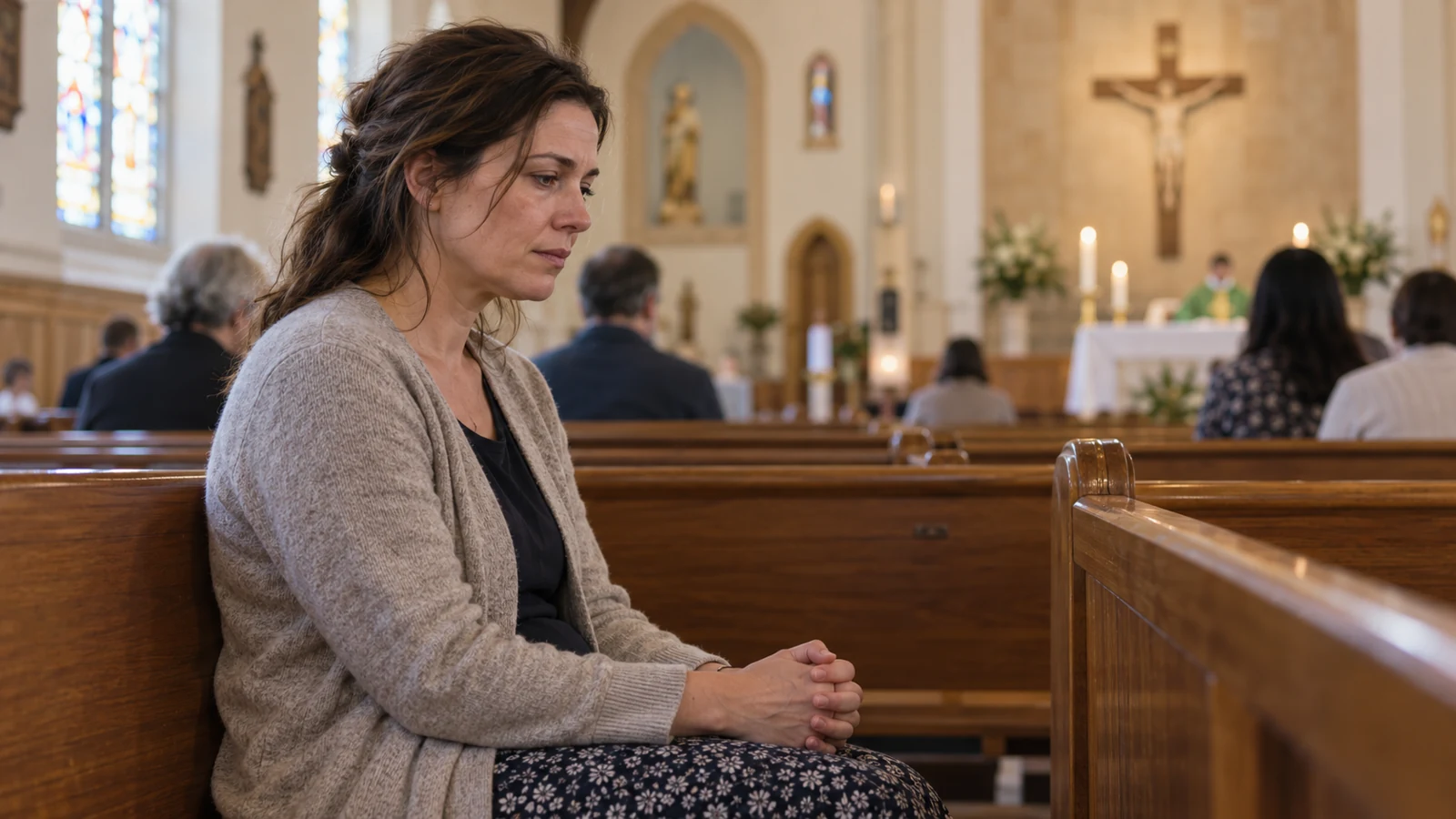
A woman sits through Sunday Mass with her hands clasped tightly in her lap. Much of the night has gone into reviewing her last confession, searching for something she might have left out. During the consecration, an unwanted thought enters her mind. She searches herself for evidence that she meant it, then silently repeats a prayer until the words feel right. Relief lasts a moment. Another doubt follows.
From the next pew, she appears absorbed in prayer. Afterwards, someone asks how she is, and she says she is fine. She fears what they would think if they knew what was happening inside her.
I think of moments like this as I read Pope Leo’s prayer. He brings this suffering into the prayer of the whole Church and asks us to examine how we receive those who carry it. He reminds us that responsibility for supporting those who are struggling with their mental health belongs to all of us, and extends across parish life, Catholic education, pastoral formation, and professional care.
People living with mental illness belong within every part of this life.
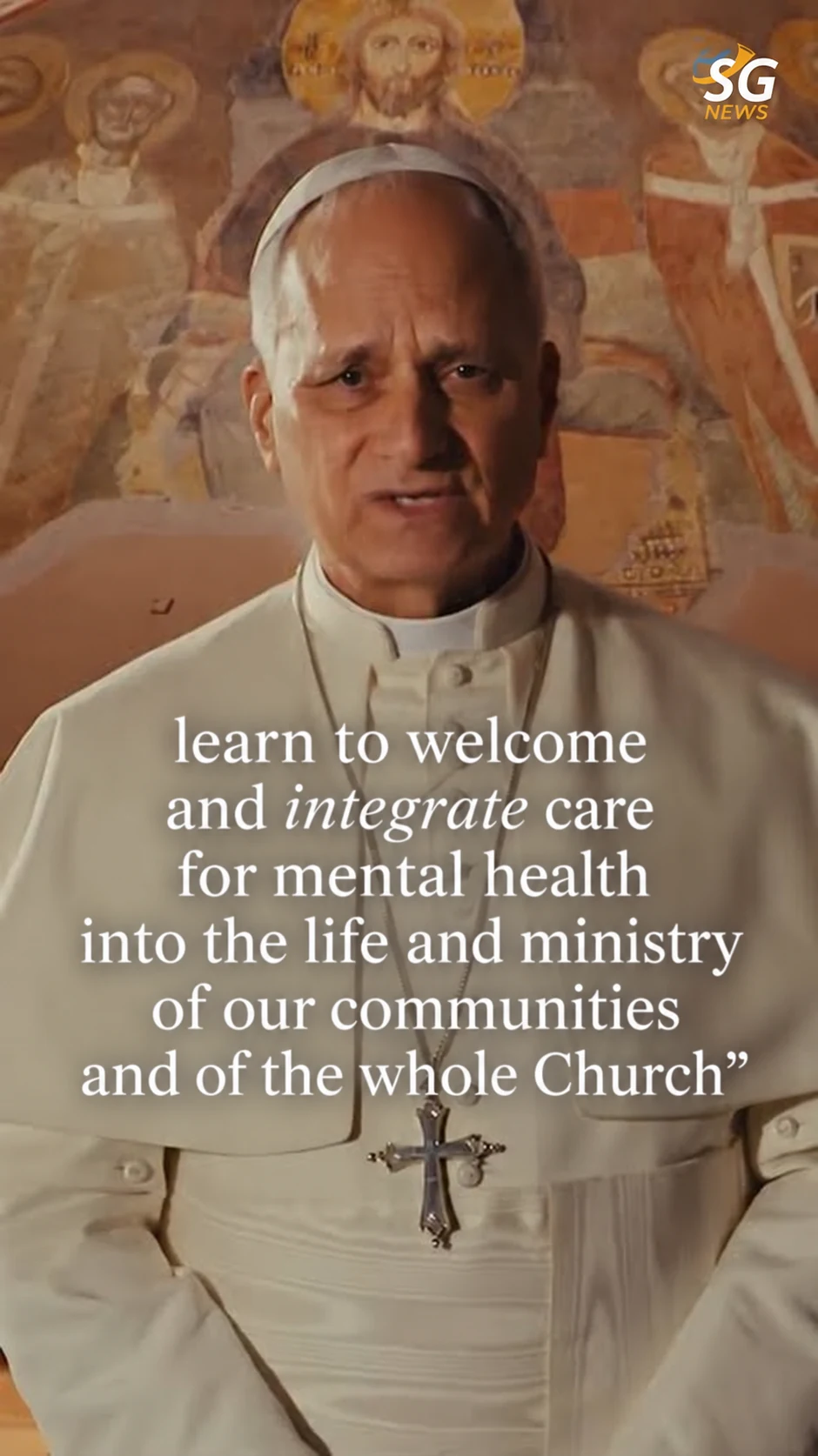
As he concludes the prayer, he asks the Holy Spirit to come and help us to “...learn to welcome and integrate care for mental health into the life and ministry of our communities and of the whole Church”.
We need to stay with those words. When we pray them sincerely, we become willing to learn and be formed, including from people whose suffering we have struggled to understand. The Pope’s words are asking us to consider how our understanding of the human person shapes the care we offer.
Catholic anthropology holds body and soul together in the unity of one person ("The human person, though made of body and soul, is a unity” Gaudium et Spes. p14). The woman sitting in the pew brings her bodily exhaustion, obsessive thoughts, relationships, and faith into the same life she is living. Each deserves attention. She possesses an inherent dignity because she has been created and loved by God; her calling to communion continues through her illness, and her capacity for human flourishing is not diminished by being unwell.
This reminds us that caring for a person's mental health is inseparable from caring for their overall wellbeing.
We attend to a person’s distress and its causes, to the relationships through which someone receives support, and to their capacity to live with greater freedom, responsibility, and love. Their relationship with God also forms part of this care.
For this woman, the longing to be close to God has become entangled with a relentless demand to be certain: that she has confessed fully, prayed sincerely, meant every word. She can spend an evening searching her memory for the moment she might have consented to a thought that frightened her. By morning, she is exhausted. In therapy, she also begins speaking about childhood experiences of watching an adult’s face for disappointment, rehearsing apologies, and trying to earn back warmth. These memories enter her work life alongside the repeated checking that now consumes so much of her life.
Integrated care attends to these connections with clinical understanding and respect for her faith. Her therapist helps her recognise the cycle of doubt, checking and temporary relief. Together, they practise allowing a question to remain unsettled while she returns to something she values. They also attend to what happens between them when she feels exposed, fears his judgement, or urgently seeks his approval. Her bodily distress, habits of thought, relational expectations, and longing for God all have a place in the work. Over time, she begins learning that she can remain in relationship while feeling afraid.
For Catholic mental health professionals, integrated practice requires serious formation and sometimes re-learning established approaches. It goes beyond faith-sensitive care by bringing clinical science, Catholic spirituality, and an understanding of the person as a unity of body and soul, made for love and relationship, into a coherent foundation for treatment (not an afterthought or optional add-on). We need clinical competence, understanding of the faith, and judgement to recognise their interaction in each person: how faith sustains them, where religious experiences have become painful, and whether they wish to explore these in treatment. Guided by the clients consent and freedom, care aims to relieve distress, foster inner integration, and deepen their capacity to give and receive love.
Integration shapes assessment, treatment goals, and supervision. Alongside symptom relief, care supports a person’s capacity to bear difficult feelings, exercise judgement, repair relationships, and grow in freedom and love. Supervision helps us notice when our own anxiety, exhaustion, or desire to rescue is shaping our response.
Pope Leo’s prayer calls the Church to form new missionaries of integration: people who appreciate the whole person, body and soul, relationships and spiritual life, and respond within their particular vocation and competence. Pastoral carers, clergy, mental health professionals and spiritual directors each contribute distinct skills. Their formation should help them listen well, recognise distress, and connect people with appropriate support, through clear pathways that respect consent, responsibility, and confidentiality.
These connections need continuity. Someone receiving treatment may also need company after Mass, transport to an appointment, or a person who remembers to phone. Families may need practical help and opportunities to rest. People living with mental illness should help shape this ministry, bringing their knowledge of how the Church’s welcome is experienced. Integration becomes tangible when we take responsibility for these relationships, helping each person experience care that holds together across the different places where they bring their suffering.
In the coming reflections, I want to return to three further aspects of Pope Leo’s prayer: the dignity of being known by God and the shame that makes us hide; the Church’s responsibility to become a place of belonging; and the strength and compassion needed by those who care. Each deserves time, because each reaches into habits we will need to examine and change.
For now, I return to the woman at Mass. Over months of therapy, she has begun trusting her therapist with the thoughts she finds hardest to speak. In one session, she asks him again to tell her what a thought means about her. They pause together, attending to the urgency of needing an answer. She searches his face, then begins to cry. “You must be tired of me.”
He asks what she imagines he is feeling towards her. Slowly, she speaks about expecting his patience to run out, about feeling she must become easier to care for. He listens closely. Together, they make room for her shame and the fear she feels as the question remains unsettled. In later sessions, she can tell him when she has felt hurt or angry with him. He takes her experience seriously, and they work through what has happened between them.
These encounters reach somewhere that years of inward argument have left untouched. She begins recognising how often she approaches God braced for the same withdrawal of love. The experience of being known and accompanied gives her something she can bring into prayer.
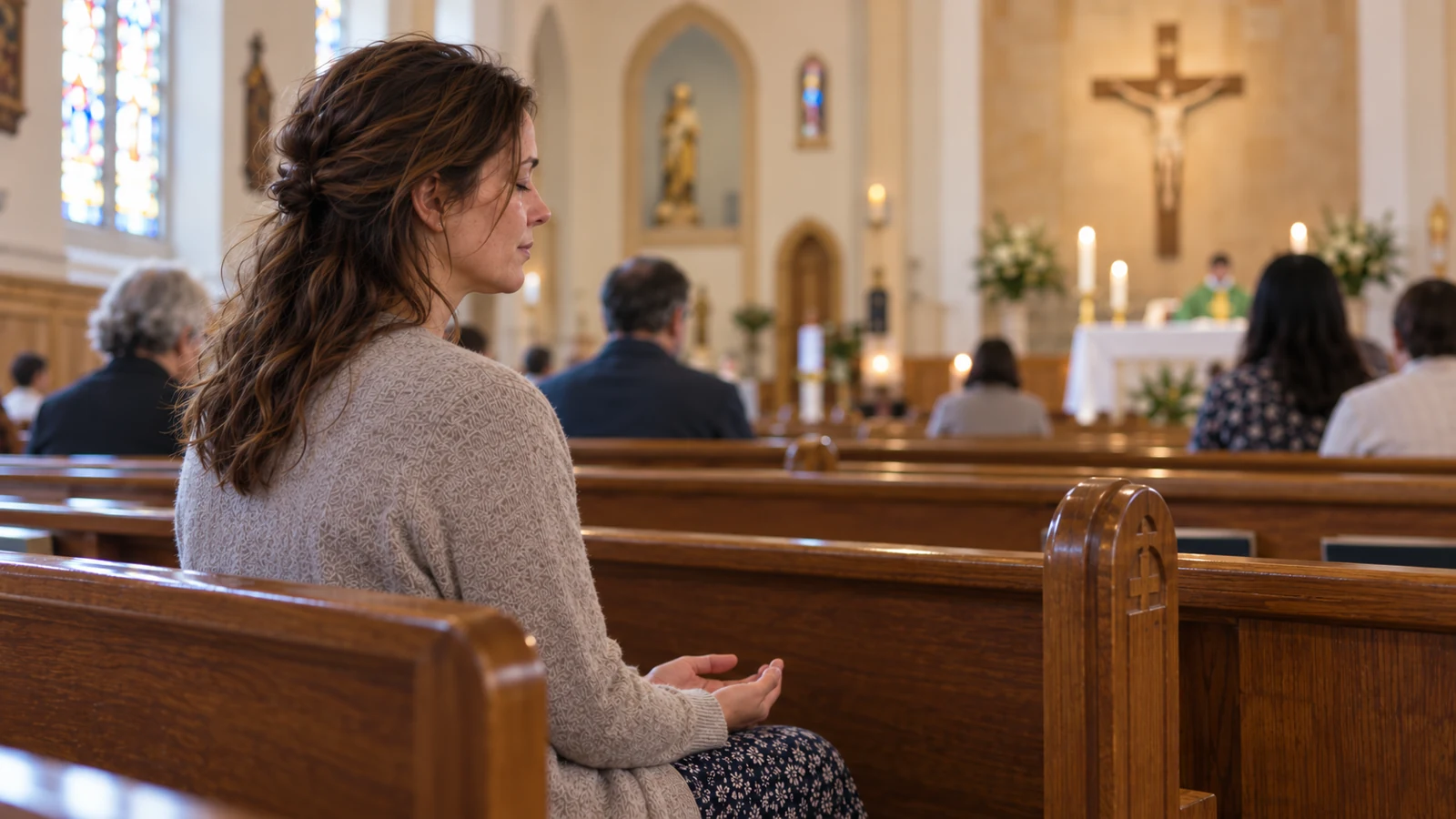
At Mass one Sunday, a familiar doubt arises. She feels the urge to begin reviewing everything again. She lets the question remain and turns her attention towards the altar. “Lord, here I am.” As she sits quietly after Communion, she allows herself to receive his presence, bringing him the tired, frightened person she has spent so long trying to make acceptable. Her hands loosen in her lap.