
Shame Transformed: A Journey through emotion, relationship, and grace
Part II — Moving Through Shame: What restorative practice teaches us about healing
Most of us can remember a moment of conflict that left us feeling stuck, misunderstood, or disconnected. Maybe it was a tense conversation with a colleague, a misunderstanding at home, or a hurt that lingered longer than we expected. We replay the situation, imagining what we could have said or done differently, yet somehow the distance remains.
When we look closely, what keeps us trapped in those cycles is often not the conflict itself but the deeper emotion beneath it. More often than not, that emotion is shame.
In the first part of this series, we explored shame as a natural and deeply human emotion, one that protects our relationships even as it can feel painful to experience. In this part, we will look at what happens when shame meets relationship and dialogue, and how approaches like Restorative Practice can help us move from defensiveness and fear into healing and growth.
When Shame Shapes Our Reactions
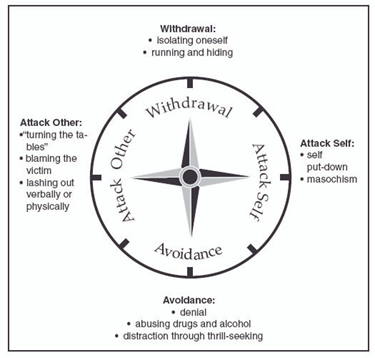
Psychiatrist Donald Nathanson developed what he called the Compass of Shame. It describes the four main ways we tend to react when shame arises: withdrawing, attacking ourselves, avoiding, or attacking others.
Take a moment to think about these four directions. Most of us can see ourselves somewhere on that compass. Some withdraw, retreating into silence. Others turn inward and criticise themselves. Some distract or deny, while others lash out to deflect their own pain. These are all instinctive attempts to move away from the discomfort of shame.
The trouble is that these reactions often make things worse. They keep us circling inside the same patterns that cause our disconnection in the first place. Over time, they can harden into habits that affect our relationships, workplaces, and communities.
In fact, the ways we defend ourselves against shame are often at the heart of larger social issues. Violence, isolation, addiction, and burnout can all be understood, at least in part, as attempts to escape the pain of shame.
The question then becomes: how do we break free from this cycle?
Turning Toward, Not Away
The first step is to turn toward the experience of shame rather than away from it. That sounds simple, but it is profoundly countercultural.
In a world that values strength and independence, the idea of leaning into vulnerability feels risky. Yet healing begins when we are willing to be curious about what our shame is trying to show us.
I have seen this again and again in my years working with individuals, families, and groups in conflict resolution and restorative processes. Something powerful happens when people are given the right balance of support and challenge, and when they feel safe enough to stay in dialogue rather than retreat.
When that happens, shame begins to lose its power. It shifts from a feeling of exposure to an experience of being seen. It is what psychotherapists call a corrective emotional experience, the moment when an old pattern of fear or avoidance is interrupted by a new experience of acceptance and truth.
The Restorative Approach
Restorative Practice grew out of a need to find better ways to respond to conflict and harm, particularly in schools and communities. Instead of focusing on punishment or blame, it focuses on relationship. It creates structured, safe spaces for people to talk honestly about what happened, what they were thinking and feeling, who was affected, and what needs to happen to make things right.
The questions are simple, yet profound:
- What happened?
- What were you thinking about at the time?
- What have you thought about since?
- Who else has been affected / impacted?
- What has been the hardest thing?
- What do we need to do to make it better?
Over time, practitioners noticed that something remarkable was taking place in these restorative circles and conferences. People were not only resolving conflict; they were also processing shame. By creating a safe space for dialogue, Restorative Practice allowed participants to confront their own emotions, often without even naming them as shame, and to find healing in being heard and understood.
A New Kind of Encounter
At the start of a restorative meeting, I have often seen participants sitting stiffly, avoiding eye contact, or speaking in short sentences. You can sense the weight of shame in the room. Shoulders are slumped, heads are down, and everyone seems to be bracing for discomfort.
But as the conversation unfolds, something shifts. The act of speaking truthfully, of being listened to without judgment, begins to soften the tension. People lift their heads, start to make eye contact, and engage with each other again. Their bodies reflect what is happening inside. The shame that once silenced them starts to transform into understanding.
What takes place is more than reconciliation between people. It is an internal reorganisation. Those old shame stories of being unworthy or unlovable begin to lose credibility in the light of genuine encounter.
This is the hidden grace within Restorative Practice. Without preaching or analysis, it restores human connection by creating conditions of safety, honesty, and empathy. It reminds us that we can face painful emotions without being consumed by them.
Applying This to Daily Life
You do not need to be in a formal restorative conference to experience this kind of healing. Each of us can begin by noticing when we are moving around the Compass of Shame in our daily interactions.
Perhaps you find yourself avoiding a conversation because you fear being judged. Or maybe you catch yourself replaying harsh self-talk after a mistake. Instead of turning away from these moments, pause and notice what is happening inside.
Ask yourself: what part of me is trying to protect me right now? What would it need in order to feel safe enough to stay present?
Even small acts of curiosity and compassion can begin to shift your internal landscape.
When you are in leadership or caring for others, this awareness can change how you respond. Instead of reacting to people’s defences, you can learn to recognise the shame that sits underneath them. This makes room for grace and honesty to emerge, whether in a team meeting, a classroom, or a family conversation.
Moving from Reaction to Relationship
The heart of healing shame is relationship. The very emotion that isolates us also contains the seed of reconnection.
When we engage with others through honest, compassionate dialogue, we do what Restorative Practice does at its best. We provide the structure and safety for truth to be spoken and for burdens to be shared.
This movement from reaction to relationship is what opens the door to transformation. It is what allows individuals and communities to move from patterns of fear into freedom.
Read the next blog in this series: The compassion of Christ: How divine love transforms shame into freedom