
Shame Transformed: A journey through emotion, relationship, and grace
Part I — Decoding Shame: Understanding the emotion that shapes us
We all know the feeling of shame, though most of us would rather not name it.
That sinking sensation in the stomach, the sudden urge to shrink, hide, or look away. It can appear in moments both ordinary and profound. You might notice it after a conversation that did not go as you hoped, or in the quiet after you have made a mistake that feels bigger than it should. Sometimes it arrives without warning, leaving you wondering, why am I reacting like this?
If you have ever found yourself flooded with that emotion, you are not alone. Shame is one of the most powerful and misunderstood emotions we experience. It touches not just how we see ourselves, but how we relate to others and to God.
Over the years, in my work as a psychotherapist and supervisor, I have come to see that beneath many struggles such as anxiety, perfectionism, conflict, or burnout, there is often a deeper story of unacknowledged shame. The good news is that once we begin to understand it, shame can become not an enemy to fight but a signal that points the way toward healing.
Why We Feel Shame
Shame is a deeply human emotion. Psychologists describe it as the painful feeling that we are somehow flawed or unworthy of love and belonging. Unlike guilt, which relates to what we have done, shame strikes at who we believe we are. It whispers the lie that we are too much or not enough to be accepted.
Here is something surprising. Shame is not simply a flaw in the human condition. It is a built-in emotional response, part of our design.
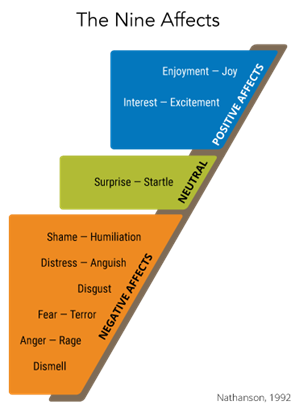
Psychologist Silvan Tomkins, whose work on Affect Theory shaped much of our modern understanding of emotion, described shame as one of nine primary affects that make up our basic emotional wiring. These affects are biological, body-based signals that tell us what matters and help us survive. They include joy, interest, distress, anger, fear, surprise, and shame.
Tomkins called these affects our innate emotional compass. When we feel shame, it is our system signalling that something important has been disrupted, such as our connection with others, our sense of belonging, or our worth in the eyes of those we value.
In this light, shame is a relational emotion. It alerts us to the risk of losing connection. For our ancestors, connection meant survival. For us today, it still means safety, meaning, and love.
The Hidden Logic of Shame
This may sound strange because shame can feel unbearable. Yet seen this way, it is not our enemy. It is a messenger.
Shame acts like an early warning system for the heart. It tells us that something has gone wrong in the space between ourselves and others. Without it, we might never stop to reflect, repair, or reconnect.
The problem comes when shame becomes internalised. Instead of signalling a momentary disconnection, it settles into our identity. This is what we call toxic shame, the belief that we are fundamentally defective or unworthy. Once that belief takes root, it shapes how we think, relate, and even carry ourselves physically.
Clients often describe this as a heavy feeling in the gut or a tightness in the chest. For some, it appears as overachievement, perfectionism, or people-pleasing. For others, it takes the form of withdrawal or anger. When shame becomes a silent passenger in our lives, it influences how we lead, how we parent, and how we love. Yet even beneath it, something good remains, a longing for belonging, authenticity, and connection.
Affect Theory in Simple Terms
Affects are our biology, the raw bodily responses that tell us what matters.
Feelings are our psychology, the awareness of those responses.
Emotions are our biography, the stories we build around those feelings over time.
Every human life is shaped by these layers. Shame, when met with curiosity rather than condemnation, becomes an invitation to rewrite our story.
The Purpose Beneath the Pain
So what is shame trying to tell us?
At its core, shame says, pay attention to the places where you long for connection but feel cut off.
It is an emotion that protects relationships, even when it hurts to feel it. That is why in therapy, restorative work, or supervision, I often help people move from seeing shame as a flaw to recognising it as a guide.
This shift is profound. Once we understand that shame is part of being human, and part of what makes love possible, we can begin to meet it with gentleness instead of fear.
Reframing Shame as an Ally
When we see shame as a doorway rather than a dead end, something changes. We begin to ask new questions.
What is this emotion trying to protect?
What part of me is afraid of being seen or rejected?
What would it be like to stay present with that fear instead of turning away?
Through this kind of curiosity, we learn to hold space for our own humanity and, by extension, for others. This is not easy work, but it is sacred work.
Shame, when understood and met with compassion, deepens our capacity for honesty and love. It teaches humility, reminds us of our need for connection, and opens the way to transformation.
The First Step Toward Healing
If you take one thing from this reflection, let it be this: shame is not a sign of failure. It is a sign that you care.
When shame surfaces, instead of running from it, try pausing and noticing what it is showing you about your need for belonging or love. That awareness is the beginning of freedom.
In the next part of this series, we will explore what happens when we engage shame within relationship, through the lens of Restorative Practices. This approach shows how empathy and dialogue can transform painful emotions into connection and growth.
An Invitation
If this reflection resonates with you, and you are curious about how these insights might help in your own life or work, I invite you to explore the Altum Integrated approach. Whether you are seeking therapy, supervision, or a way to foster healthier relationships within your team or organisation, this journey begins with understanding the emotions that shape us. Get in Touch
Read the next blog in this series: Moving Through Shame: What restorative practice teaches us about healing